
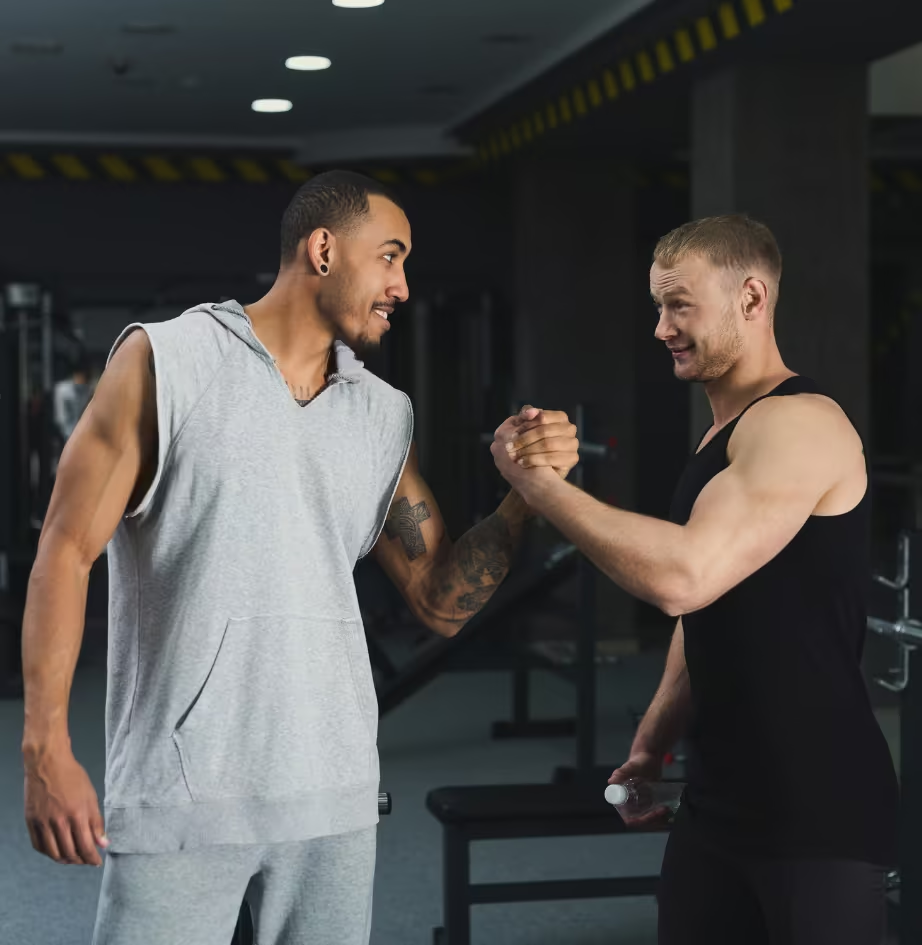
Longevity isn’t just about adding years to your life but adding life to years. From an osteopathic perspective, men’s health and longevity are deeply connected to how well the body moves, adapts, and recovers over time.
Research consistently shows that healthy ageing isn’t the result of one magic supplement or a single training phase. It’s the outcome of consistent, intelligent habits that support muscle, joints, hormones, and overall resilience. Here’s how we approach longevity for men starting from the foundations.
1. Supplementation: Supporting the Foundations
Supplements can play a supportive role in long term health, but they should never replace strong foundations like sleep, nutrition, movement, and stress management. Some of the most researched options include:
Vitamin D (often paired with K2)
Vitamin D supports bone density, immune function, and muscle health. Maintaining optimal levels is particularly important in the UK climate, where deficiency is common. Bone health is critical for long-term mobility and fall prevention.
Omega-3 (EPA/DHA)
Omega-3 fatty acids have well-documented anti-inflammatory effects and may support cardiovascular and joint health. Lower systemic inflammation supports recovery and healthy Ageing.
Creatine Monohydrate
Creatine is not just for athletes. Evidence suggests it supports muscle strength, power output, and even cognitive health. Maintaining muscle mass is one of the most important predictors of independence in later life.
HMB (β-Hydroxy β-methylbutyrate)
HMB may help preserve lean muscle mass, particularly in older adults or during periods of reduced activity. When combined with resistance training, it can support the prevention of age-related muscle loss (sarcopenia). The key principle? Supplements should be personalised and evidence informed, ideally guided by a healthcare professional.
2. Hormones & Healthy Ageing: Balance Over Boosting
Testosterone plays a significant role in muscle mass, energy levels, fat distribution, and metabolic health. Natural age-related decline can contribute to reduced strength, increased body fat, and slower recovery.
However, the goal is not to “maximise” hormone levels but to optimise them responsibly. Lifestyle interventions such as resistance training, adequate sleep, body fat management, and stress reduction have a powerful impact on hormonal balance. In cases of clinically low testosterone, medical evaluation and supervised treatment may be appropriate, but self-prescribing or chasing high levels can carry risks.
From an osteopathic standpoint, movement quality and metabolic health are central to supporting hormonal health naturally.
3. Exercise: The Most Powerful Longevity Tool
If there is one intervention with overwhelming evidence behind it, it is regular physical activity. Consistent exercise is associated with increased life expectancy, improved cardiovascular health, reduced inflammation, and better metabolic function.
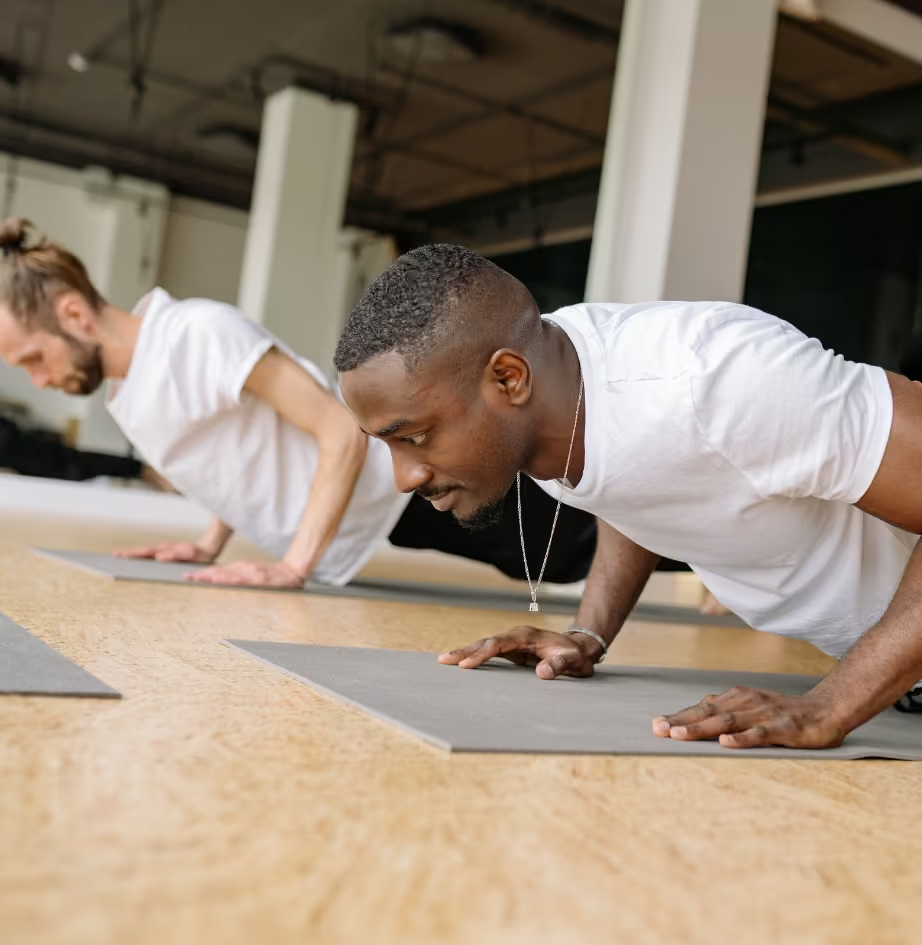
For men aiming to age well, training should include:
Strength Training
Preserving muscle mass is critical. Resistance training improves bone density, joint stability, insulin sensitivity, and overall resilience. Strong muscles protect joints and reduce injury risk. Balance & Stability Work
Falls are one of the greatest threats to independence as we age. Incorporating balance exercises and proprioceptive training significantly reduces fall risk and improves Coordination.
Cardiovascular Conditioning
Meeting recommended activity levels (such as 150 minutes of moderate-intensity activity per week) is strongly associated with reduced cardiovascular mortality.
Daily Movement
Longevity isn’t built in the gym alone. Regular walking, mobility work, and reducing sedentary time all contribute to long term health.
4. Injury Prevention: The Overlooked Longevity Strategy
Injury is often the silent disruptor of good intentions. A back strain, knee issue, or shoulder problem can stop progress and reduce activity levels for months.
Preventative strategies include:
- Gradual progression in training
- Individualised strength programmes
- Mobility and joint control work
- Proper warmups and recovery strategies
- Addressing minor niggles before they become chronic problems
This is where osteopathy plays a vital role. By assessing movement patterns, joint mechanics, and muscular imbalances, we help identify vulnerabilities early to keep you training consistently and safely.
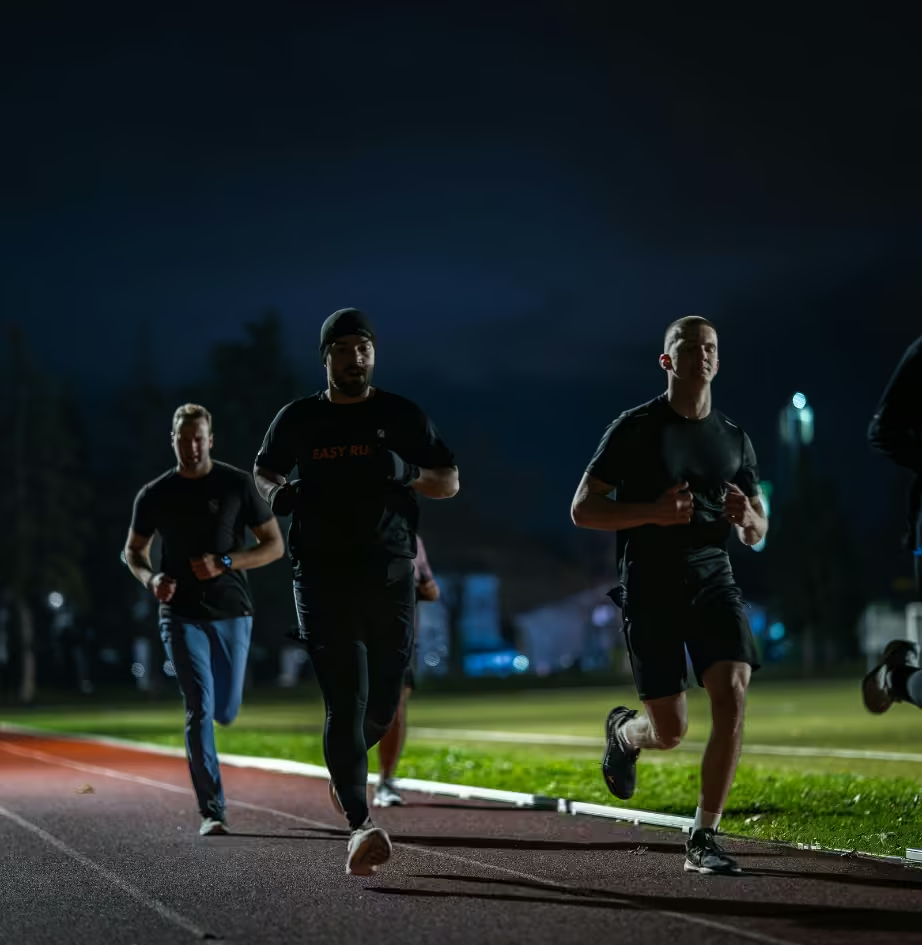
Longevity depends on continuity. The body thrives on consistent, sustainable movement. As osteopaths, our goal is simple: keep you moving well for life. Because longevity isn’t just about the number of years. It’s about maintaining strength, independence, and vitality at every stage.